Understanding Ethernet Cables

In brief: an Ethernet cable is a cable designed for wired networking in compliance with the Ethernet standard. To elaborate, Ethernet is a data‑link layer technology used to transmit data packets in local networks — ranging from home and office setups to Industrial Ethernet (IE), which incorporates specialized protocols for industrial automation and control systems.

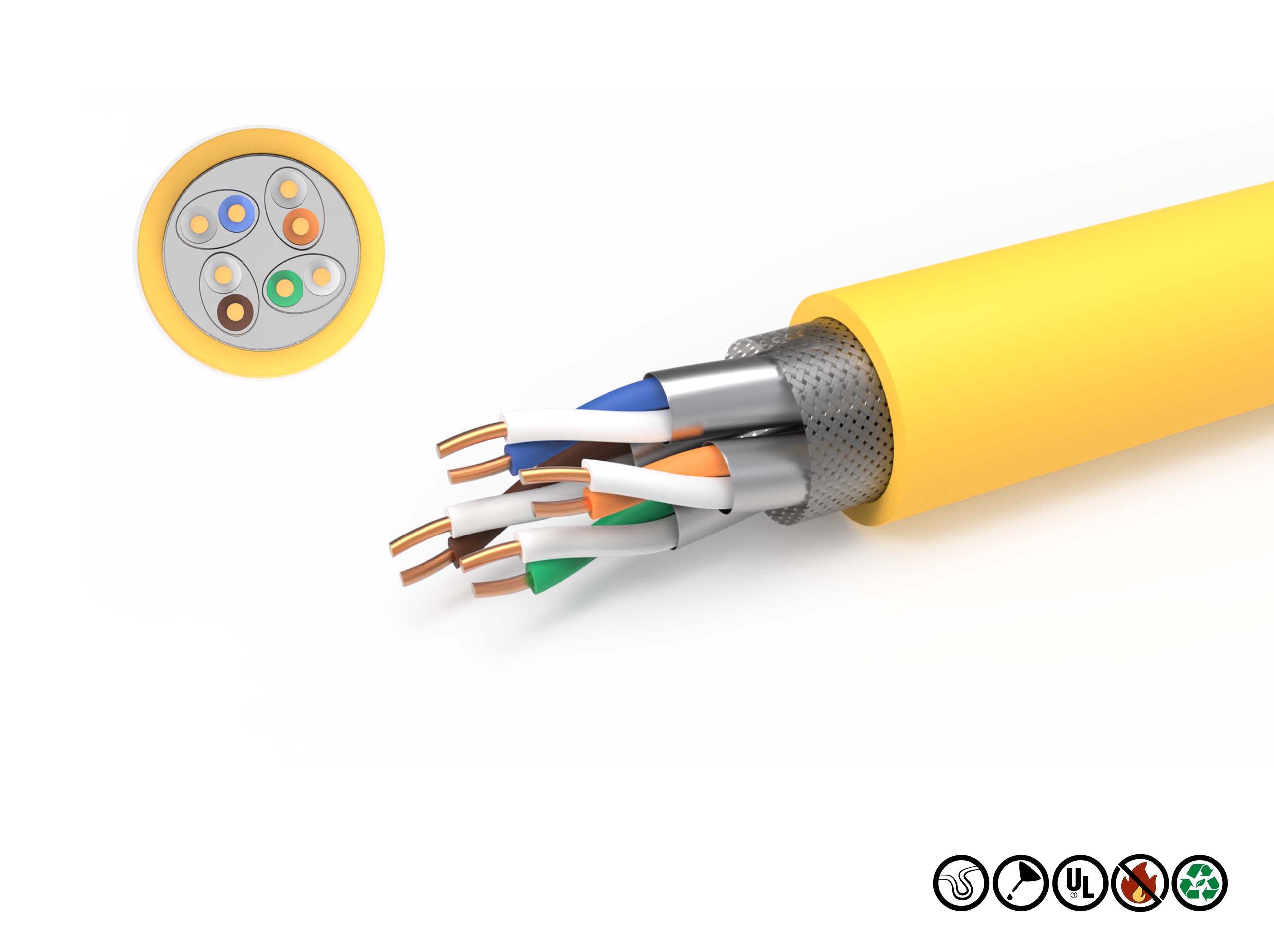
Industrial Ethernet cables are reinforced versions of conventional office‑grade LAN cables. They undergo rigorous mechanical and chemical validation, are built for demanding environmental conditions, and offer extended durability for continuous industrial use.

When terminated with an appropriate Ethernet connector, these cables enable reliable, high‑speed connections within Ethernet networks. Their optimized construction supports longer transmission distances, higher data rates, and superior signal stability in copper‑based data networks — making them essential for both commercial and industrial communication infrastructures.

Construction of an Ethernet Cable

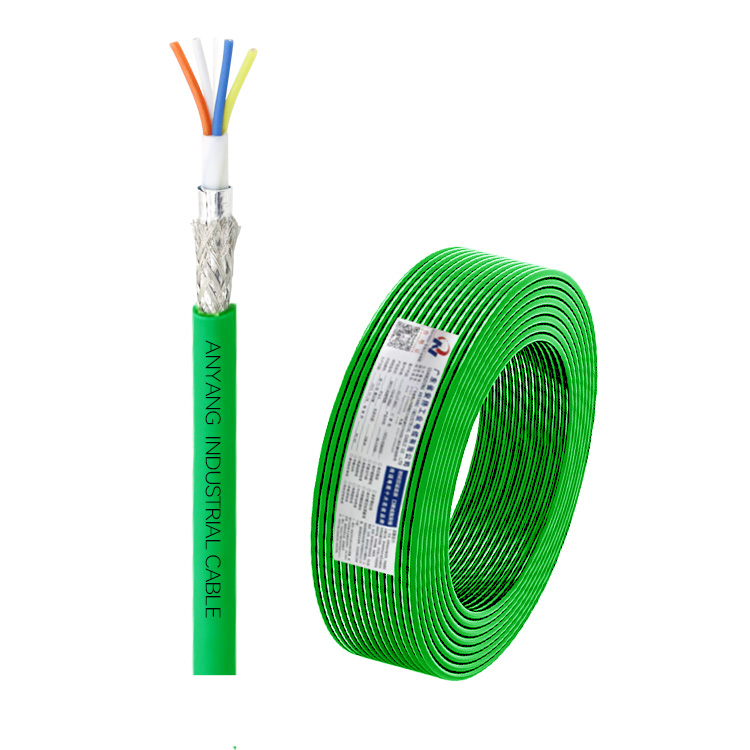
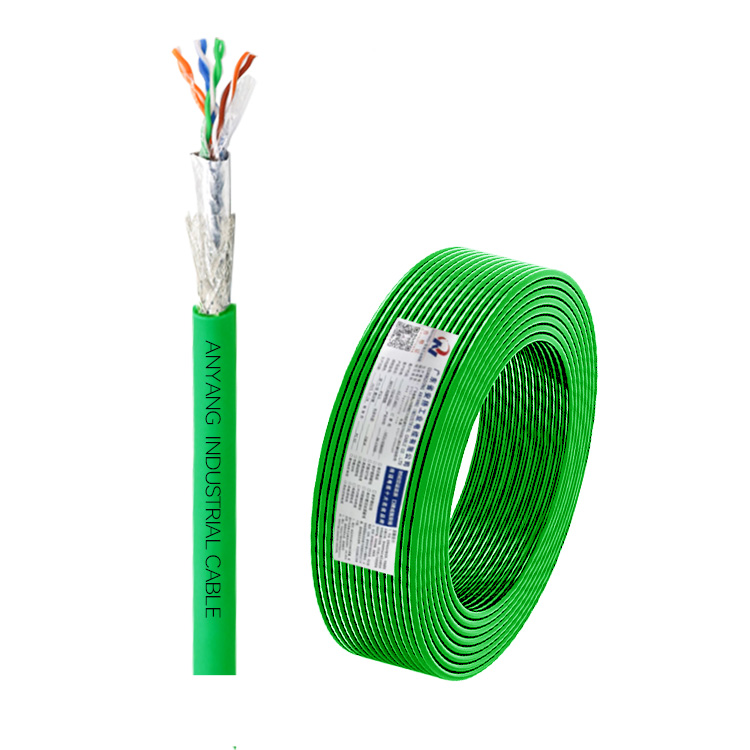
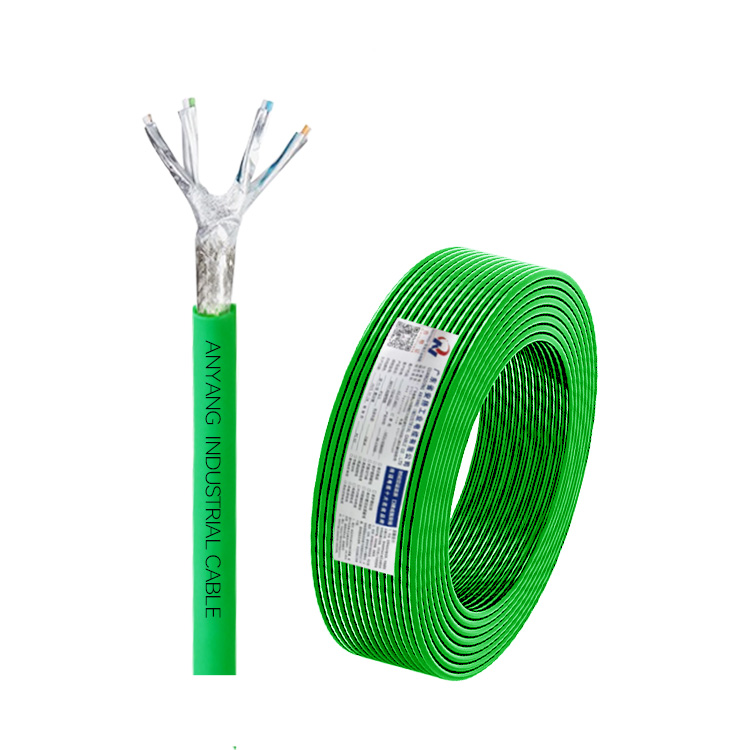
The design of an Ethernet cable varies based on its intended application, differing in factors such as the number of conductor pairs, conductor cross‑section, jacket materials, shielding configuration, and other performance features.

Despite these variations, the fundamental structure—aside from the pair count—remains largely consistent across most Ethernet cables. Below are two common constructions illustrated as examples.

Industrial Ethernet Transmission Protocols

In industrial environments, standard Ethernet is enhanced through specialized protocols tailored for automation, real‑time control, and harsh operating conditions. Key industrial Ethernet protocols include:

PROFINET – Widely used in factory automation for real‑time communication and integration with PROFIBUS systems.

EtherNet/IP® – Based on standard Ethernet and CIP (Common Industrial Protocol), commonly applied in North America for control and information exchange.

EtherCAT® – Optimized for high‑speed, low‑latency motion control with efficient data handling.

CC‑Link IE – Provides gigabit‑speed, deterministic communication primarily in Asian markets.

Advantages of Industrial Ethernet Protocols:

Enhanced error detection and diagnostics tailored to factory environments

Greater resilience against electrical noise, vibration, temperature, and chemicals

Deterministic performance with faster reaction times and reduced data‑collision impact

Our ETHERLINE® portfolio supports these key protocols, offering a range of Industrial Ethernet cables designed to ensure reliable, high‑speed data transmission in demanding applications. Whether your system runs on PROFINET, EtherNet/IP, EtherCAT, or CC‑Link IE, we provide cable solutions engineered to meet the exacting standards of modern industrial networks.