
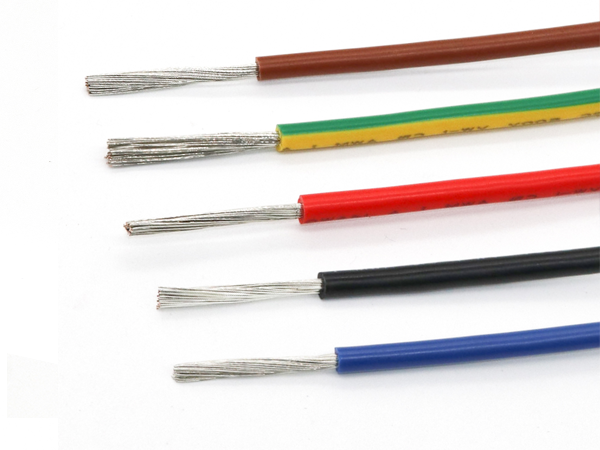
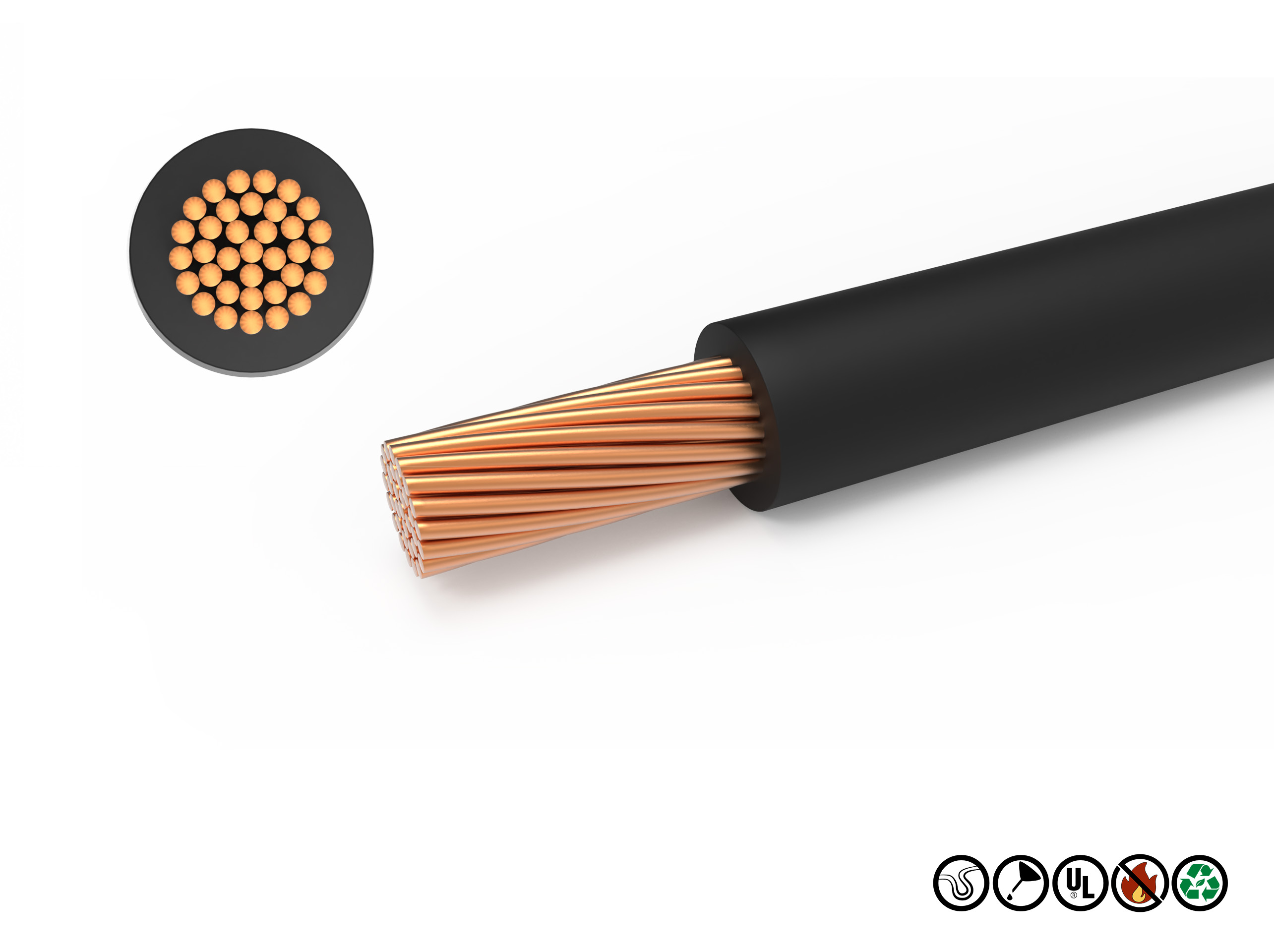
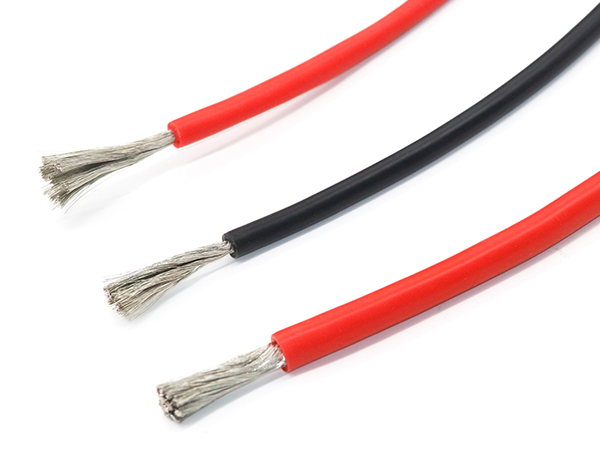
A single conductor refers to an individual, plastic‑insulated wire without an outer jacket or overall sheath. These conductors serve as fundamental components for wiring electronic assemblies, machinery, control cabinets, and devices.
Single conductors are also commonly referred to as:
Conductor lines
Installation wires
Bell wires
Hookup wires
Control wires
Wiring lines
Note: The terms one‑conductor cable, single‑conductor cable, or single‑conductor line typically refer to shielded constructions and are therefore not classified as single conductors in this context. True single conductors are unshielded, individually insulated wires used primarily for internal point‑to‑point connections.
Why Single Conductors Do Not Require an Outer Jacket
The outer jacket of a cable serves as a protective enclosure, shielding internal components from:
Mechanical damage (abrasion, impact, crushing, bending)
Chemical exposure (acids, alkalis, oils)
Thermal stress (high/low temperatures)
Environmental factors (UV radiation, moisture)
Single conductors are typically installed in protected, static environments—such as inside control cabinets, enclosures, or conduit—where they are not subjected to these external stresses after installation. Eliminating the outer jacket reduces bulk, saves space, and simplifies termination.
Where Are Single Conductors Used?
Single conductors are commonly employed for electrical installations in:
Building wiring and industrial plant electrification
Internal wiring of control cabinets, machinery, and electrical panels
Connection of lighting, signaling, and control circuits
Key Considerations:
Fire Safety: In fire‑sensitive installations, halogen‑free materials should be selected to minimize toxic fume emission.
Regional Certification: For installations outside Europe, compliance with local standards (e.g., UL, CSA) is required.
Installation Method: Most single conductors must be installed within enclosed systems (control cabinets, cable ducts, conduit) unless specifically approved for open placement. Green‑yellow conductors may be routed on cable trays or in channels only when used as protective earthing/equipotential bonding conductors.
These conductors provide a reliable, space‑efficient solution for fixed wiring where environmental protection is provided by the installation environment itself.
 telephone
 Contact US