Understanding Cables for Standard Applications
What are standard application cables?
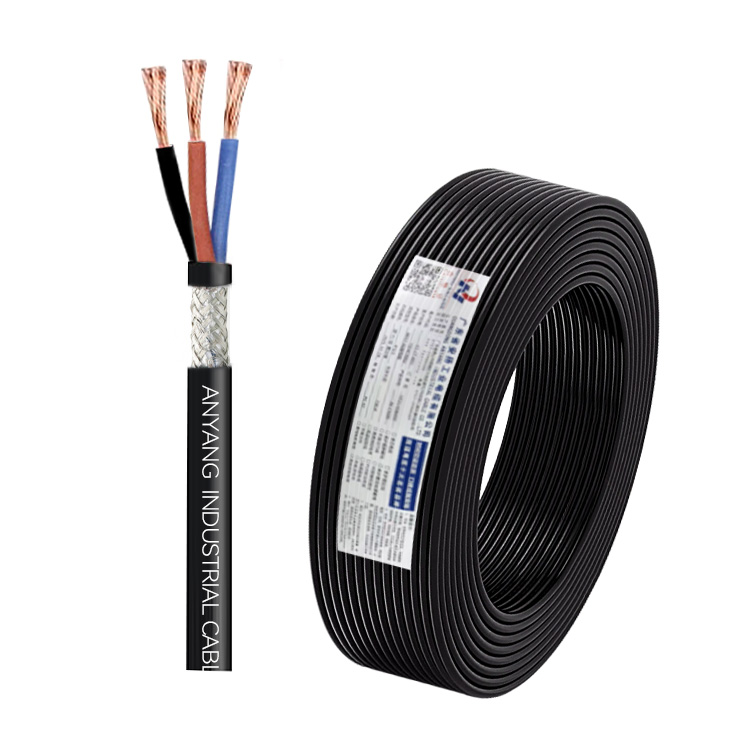
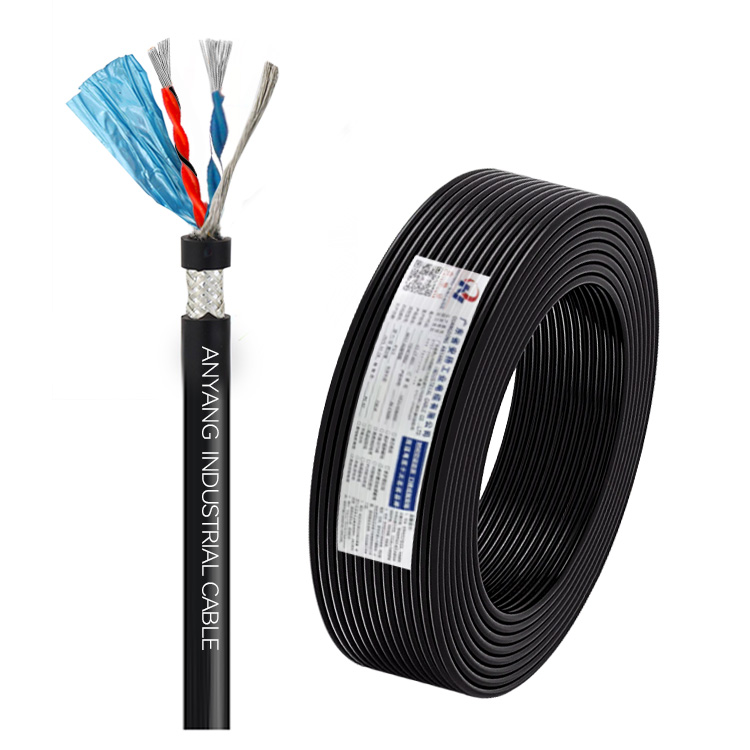
Standard application cables are general-purpose power and control cables featuring straightforward construction designed for broad compatibility across a variety of environments. While not optimized for extreme mechanical, chemical, thermal, or flame‑retardant conditions, their balanced and adaptable design makes them cost‑effective and widely usable.
Where are they typically used?
These cables are commonly installed in fixed or occasionally flexed positions within industrial systems—often routed on cable trays, inside control cabinets, or along machinery. They are widely employed for:
-
Wiring inside equipment and across facility control circuits
-
As a flexible, easy‑to‑install alternative to rigid installation cables (Class 1 or 2)
-
Applications requiring tighter bending radii, thanks to their fine‑stranded conductors (Class 5)
Even in routine applications, safety, reliability, durability, and ease of handling remain essential.
Why PVC?
Polyvinyl chloride (PVC) is a proven thermoplastic used for insulation and jacketing in standard cables. Its properties can be tailored with additives to meet both common industry standards and Anyang’s own stringent factory specifications. This ensures cables are well‑suited for long‑term performance in varied conditions.
Typical jacket colors:
Our standard cables most often feature a gray outer jacket (consistent with the former DESINA color code for control cables). Other common colors include black, transparent, and occasionally blue, orange, or yellow—selected according to application requirements.

 telephone
 Contact US